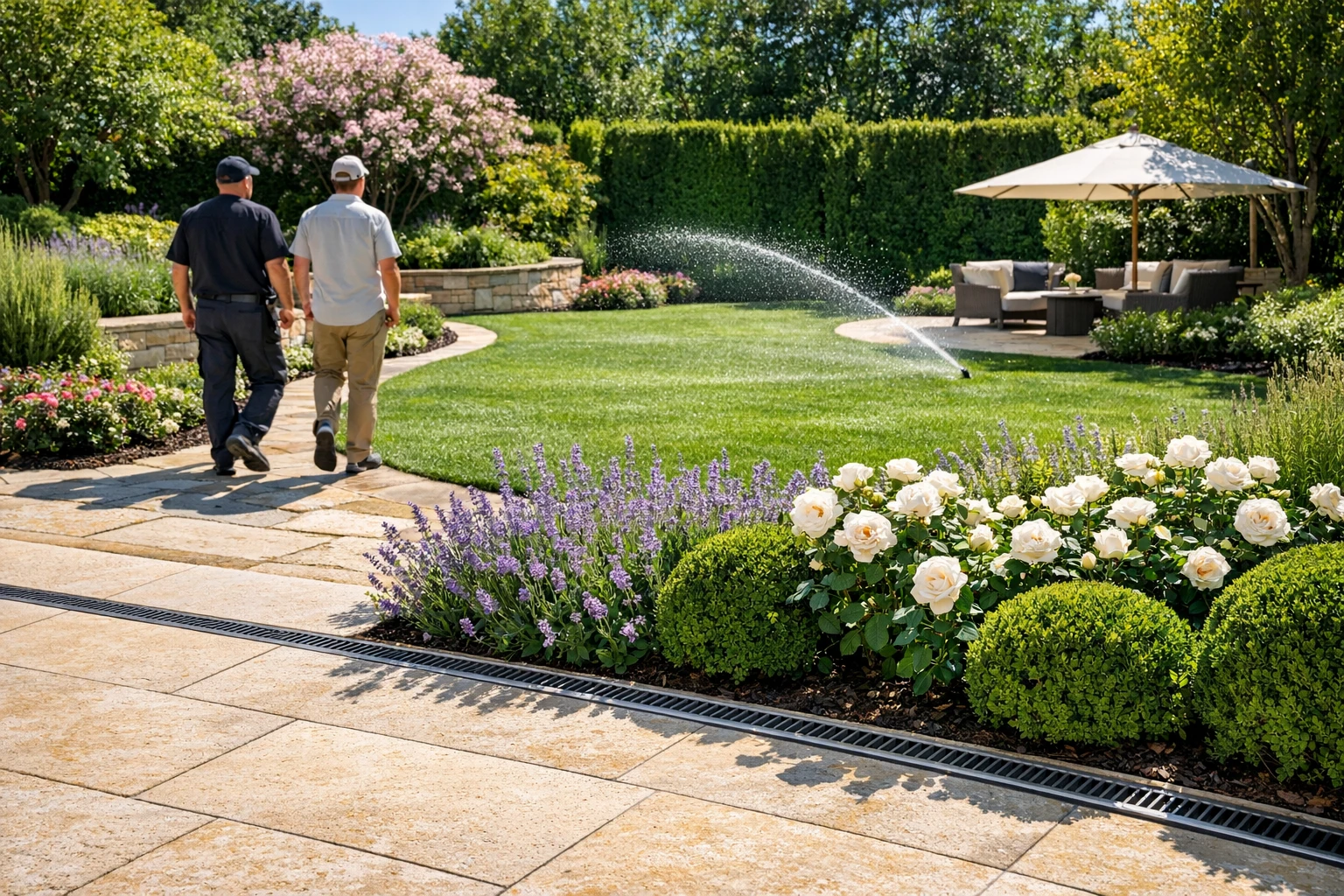
How to Find Reliable Landscapers in My Area
Typing “landscapers in my area” into a search bar is easy; choosing one you can trust is where the real work begins. A polished website or a low quote tells only part of the story, because landscaping affects drainage, curb appeal, maintenance costs, and how comfortably you use your outdoor space. Whether you need routine lawn care or a full redesign, a careful hiring process helps you avoid delays, weak communication, and expensive do-overs. That extra homework usually pays for itself.
Article outline:
- Define exactly what kind of landscaping help you need.
- Search locally and compare providers using better criteria than price alone.
- Check credentials, insurance, references, reviews, and contracts.
- Understand service options, estimate structures, and long-term maintenance costs.
- Choose the right landscaper for your goals and build a smoother working relationship.
1. Start by Defining What You Need From a Landscaper
The phrase “landscaper” covers a surprisingly wide range of work. Some companies focus on routine lawn maintenance, while others specialize in landscape design, irrigation, grading, drainage correction, hardscaping, planting plans, lighting, or seasonal cleanup. Before you compare local providers, it helps to get specific about your own property and priorities. Otherwise, you may end up speaking to a firm that is excellent at mowing and edging but not prepared to solve standing water, replace a failing retaining wall, or redesign a front yard from scratch.
A clear scope makes every later step easier. Walk around your property and note what is working, what is failing, and what you want to change. If rainwater pools near the foundation, that is a drainage issue and should be treated differently from a cosmetic planting refresh. If your lawn is thin because of shade, poor soil, or foot traffic, the solution may involve more than routine fertilizing. A yard often tells a story if you know how to listen: compacted soil, exposed roots, washed-out mulch, and uneven grading all point to different types of professional help.
It is useful to sort your needs into categories such as:
- Maintenance: mowing, trimming, weed control, leaf cleanup, seasonal pruning
- Improvement: mulching, planting beds, sod installation, irrigation adjustments
- Problem-solving: drainage correction, erosion control, grading, pest-damaged areas
- Construction: patios, walkways, retaining walls, outdoor lighting, fences
- Design: layout planning, plant selection, curb appeal upgrades, low-water gardens
Budget matters too, but it should be guided by goals rather than guesswork. Small jobs may cost only a few hundred dollars, while major redesigns, hardscape work, or drainage repairs can quickly move into the thousands. Materials, site access, labor availability, and complexity all affect the final number. For example, a simple mulch and shrub refresh is very different from removing old hardscape, installing pavers, and rerouting runoff.
If possible, create a short project brief before calling anyone. Include photos, rough dimensions, timing expectations, and a note about whether you want a one-time project or ongoing care. This saves time and leads to more accurate conversations. When you know what you need, you stop shopping blindly and start comparing professionals on the basis that actually matters: can they solve your problem well, on budget, and with the level of service you expect?
2. Where to Search for Local Landscapers and How to Compare Them
Once your project is defined, the next step is finding companies that really serve your neighborhood and work in your price range. Search engines are useful, but the smartest search goes beyond a simple keyword. Check map listings, neighborhood forums, local business directories, community social groups, and recommendations from nearby homeowners. Landscapers who regularly work in your area often understand local soil conditions, rainfall patterns, HOA restrictions, plant hardiness issues, and municipal permit requirements better than a company operating far outside its usual territory.
Word-of-mouth remains one of the strongest filters. Ask neighbors whose yards consistently look healthy across different seasons. A beautiful yard in early spring can be the result of a single cleanup, but a property that stays tidy and balanced through summer heat, autumn leaf drop, and rainy weeks often reflects dependable ongoing service. Local garden centers and irrigation suppliers can also be useful sources because they regularly see which contractors buy quality materials, pay attention to plant health, and return for the right products instead of quick fixes.
When reviewing local options, compare more than star ratings. Reviews are useful, but patterns matter more than totals. A few details worth studying:
- Do clients mention punctuality and communication?
- Are there comments about cleanup, respect for property, and follow-through?
- Do reviews refer to projects similar to yours?
- Does the business respond professionally to complaints?
- Are there photos that show work after installation and not just on day one?
It is also wise to compare how companies present themselves before you ever schedule an estimate. A reliable landscaper usually offers clear service descriptions, a local phone number, an active presence, and photos that look like real projects rather than generic stock images. Fast replies help, but so does the quality of the reply. A vague “Sure, we do everything” is less reassuring than a message that asks about square footage, sun exposure, drainage concerns, project timing, and desired outcomes.
Try to shortlist at least three candidates. That gives you enough range to compare availability, professionalism, and pricing without becoming overwhelmed. During first conversations, notice whether the company listens carefully or rushes to quote a number without visiting the site. Landscaping is not just labor; it is site-specific work. Soil, slope, access, irrigation layout, and existing plant conditions all change the job. The strongest local pros treat your yard like a real place with real variables, not a line item on a generic price sheet. That difference often signals the kind of working relationship you can expect once the project begins.
3. How to Verify Reliability: Credentials, Reviews, References, and Contracts
Finding nearby names is easy; confirming reliability is where good hiring decisions are made. A trustworthy landscaper should be willing to answer questions about experience, insurance, scheduling, subcontractors, and the exact services included in a proposal. You do not need to interrogate every company like a detective in a raincoat, but you should verify the basics before any money changes hands.
Start with insurance. At a minimum, ask whether the business carries liability insurance and, when applicable, workers’ compensation coverage. Landscaping involves equipment, ladders, excavation, irrigation lines, tree limbs, trucks, and sometimes heavy materials. Accidents are rare until suddenly they are not. If property is damaged or someone is injured on site, insurance matters. Licensing rules vary by location and by type of work, so check local requirements for services such as pesticide application, irrigation, electrical lighting, or structural hardscaping.
References still matter, especially for larger jobs. Ask for two or three recent clients with projects similar to yours. When speaking with references, ask practical questions rather than broad ones. Instead of “Were you happy?” try:
- Did the final cost stay close to the estimate?
- Was the crew on time and easy to reach?
- Did the company explain changes before moving ahead?
- How did the work hold up after a season or a year?
- Was the site left clean each day?
The estimate itself is another test of professionalism. A vague quote can hide confusion and future disputes. A better proposal should explain labor, materials, disposal, timeline, payment schedule, and any exclusions. If the project includes plants, the quote should mention sizes or varieties where possible. If it includes drainage, it should state what is being installed and what problem it is intended to address. If a retaining wall or patio is involved, material type, dimensions, and site preparation should be named clearly.
Watch for common warning signs. These include pressure to pay a large amount upfront, refusal to provide written terms, no business address, unclear scope, unusually low bids, or claims that “we can start tomorrow” during peak season without any real discussion. Cheap quotes often become expensive once change orders appear, materials are downgraded, or corners are cut in site prep. In landscaping, prep work is the quiet hero; it is less glamorous than fresh plants or neat pavers, but it often determines whether the finished result lasts.
A written contract protects both sides. It should include start and completion expectations, payment terms, warranty details if offered, responsibility for permits when needed, and a process for approving changes. Reliability is not just about friendliness; it is about structure. When a landscaper communicates clearly before the job begins, the odds of a smoother project improve dramatically.
4. Comparing Services, Pricing, and Long-Term Value Instead of Chasing the Lowest Bid
Many homeowners begin with a simple question: how much does a landscaper cost? The better question is what you are actually paying for. Landscaping prices vary by region, season, labor demand, lot size, material choices, and project complexity. A low quote can be attractive, but it does not automatically represent better value. In some cases, it reflects thinner site prep, fewer materials, inexperienced crews, incomplete cleanup, or a proposal that leaves out important steps you assumed were included.
Recurring maintenance and project-based work are priced differently. Weekly lawn care may be billed per visit or through a seasonal agreement. Design-build work often starts with a consultation, followed by a plan, then an installation estimate. Hardscape projects may be quoted by square footage, but the real cost depends heavily on excavation, base preparation, edging, drainage, and access for equipment. That is why two patios of the same size can come with very different numbers.
When comparing proposals, look for these details:
- Site preparation and debris removal
- Soil amendments or grading work
- Plant sizes, species, and quantities
- Irrigation checks or new system components
- Mulch depth, edging, and bed definition
- Warranty terms for plants or workmanship
- Maintenance recommendations after installation
Long-term value also includes upkeep costs. A beautiful landscape that needs constant replacement, excessive watering, or weekly specialist care may not fit your lifestyle. The U.S. Environmental Protection Agency notes that a significant share of household water use can happen outdoors, and in dry climates that number may be even higher. That makes irrigation efficiency, plant selection, and proper mulching more than aesthetic choices; they affect utility bills and resource use over time.
Ask potential landscapers whether they work with native or climate-appropriate plants, how they handle drainage, and what kind of maintenance a proposed design will require in midsummer, not just on installation day. A thoughtful professional should be able to explain tradeoffs. For example, fast-growing plants may fill space quickly but demand more pruning. A large lawn can look tidy, yet it often requires more water, fertilizer, and mowing than mixed planting beds or groundcover areas. Gravel and hardscape can reduce maintenance in some spots, but poor placement may increase heat reflection or runoff.
The right landscaper helps you balance appearance, durability, and effort. A yard should fit the way you actually live. If you want a polished front entry without spending every weekend with shears in hand, say so. If you need a play area, a dog-friendly setup, better privacy, or a drainage fix that protects your basement, those goals should shape the design and the budget. Good landscaping is not just something you look at from the driveway; it is infrastructure with leaves on it.
5. Conclusion for Homeowners: Choosing the Right Local Landscaper With Confidence
If you are a homeowner searching for “landscapers in my area,” the strongest choice usually comes from a methodical process rather than a lucky click. Start with clarity about your needs, then narrow the field using local knowledge, review patterns, references, and written estimates. By the time you make a decision, you should understand what the company will do, how it will communicate, what it will cost, and how the finished work will be maintained.
It helps to think of the hiring decision in layers. First, ask whether the landscaper is qualified for your type of work. Second, decide whether the proposal is complete and realistic. Third, consider the working relationship. Landscaping is hands-on, weather-sensitive, and often collaborative. Schedules shift, plants sometimes need substitutions, and hidden site issues can appear once digging begins. A contractor who communicates early and explains options calmly can save you a great deal of stress when plans need adjusting.
Before signing, review a few final points:
- Who is your main point of contact?
- How often will updates be provided?
- What happens if weather delays the schedule?
- When are payments due, and what milestones trigger them?
- What care is required after installation?
- How are warranty issues handled if something fails?
For smaller recurring services, reliability may come down to consistency, property respect, and billing clarity. For larger projects, design judgment and technical skill become even more important. A front-yard refresh, a drainage correction, and a paver patio are not interchangeable jobs. Choose a provider whose past work matches your goals, not simply one who promises to do everything under the sun.
The best outcome is not just a tidy yard for a few weeks. It is an outdoor space that works better month after month, whether that means lower maintenance, healthier plants, improved drainage, stronger curb appeal, or a backyard that finally feels inviting instead of unfinished. Take your time, ask direct questions, and compare details with care. A reliable landscaper should make the process feel clearer, not murkier. When that happens, the search stops feeling like guesswork and starts looking like a smart investment in your home.